
-
California's biggest utility said the costs of the Mosquito Fire should be largely offset by insurance and other rate recoveries, according to a filing Thursday with the US Securities and Exchange Commission.
October 28
-
The Zurich-based reinsurer's key unit saw $2.5 billion in claims related to large catastrophes including the storm which hit Florida last month, it said in a statement on Friday.
October 28
-
Digital Insurance spoke with Troy about how his role at the insurer has changed since he started at the company in 2019.
 October 27
-
Global warming is considered as the biggest risk to society in the next five to 10 years for the second year in a row, according to a report released by AXA SA.
October 24
-
Water damage is a real threat for anyone living on the coast, near rivers or other water sources.
October 19 Pepper
 -
The company expects to post a net loss of about $500 million in the quarter.
October 18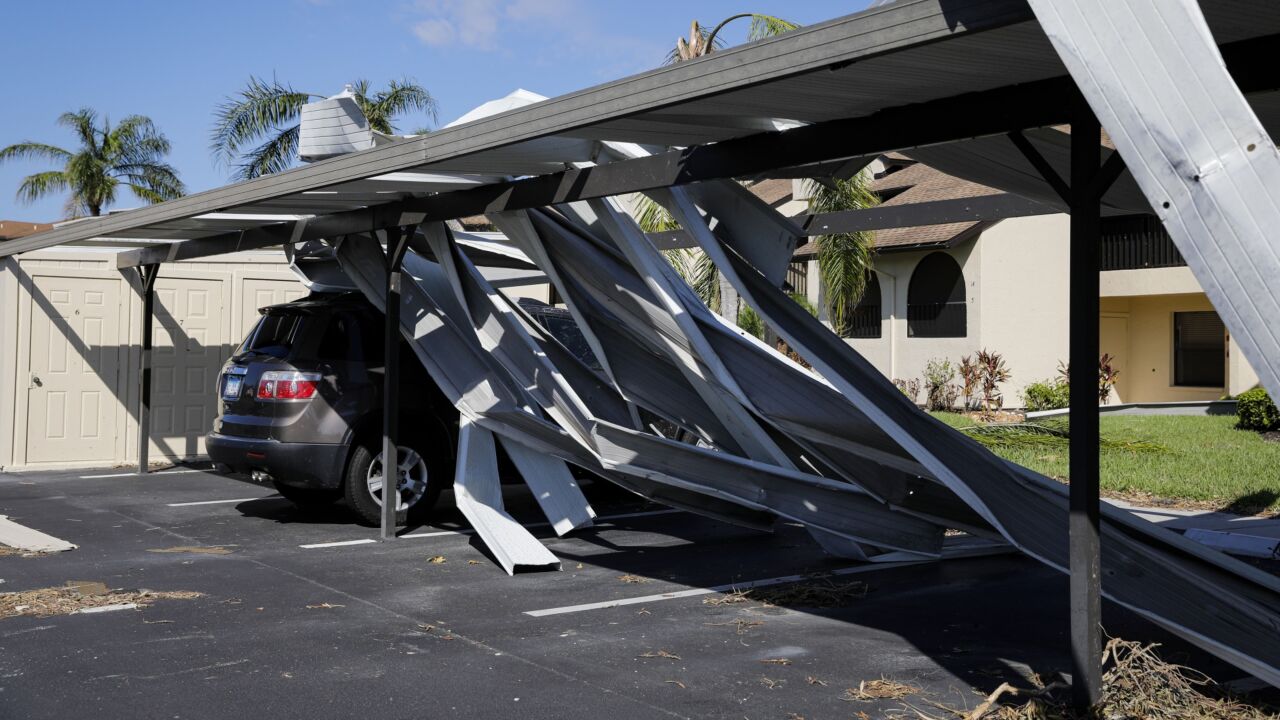
-
Insurers and insurtechs use cloud and AI to detect threats to crop yields.
 October 17
-
The credit outlook on individual credits in Florida is mixed as the first reports of damage from the hurricane start filtering in.
 October 12
-
Wind and storm surge damage to residential and commercial properties could reach $47 billion, according to a CoreLogic analysis.
 September 30
-
Potential homebuyers who reviewed property listings that included flood risk were less likely to look at and bid on homes in areas with a severe risk of flooding.
September 12
-
Swiss Re Institute finds growing flood losses, underinsured homeowners.
September 8
-
The country is now considered "very risky" due to mounting flood and fire dangers, as well as risks to people and infrastructure following last year's deadly riots, according to Paul Hanratty, chief executive officer at Sanlam Ltd.
September 8
-
As climate change leads to more frequent natural disasters devastating the country, insurance companies are stepping up to adjust to these new challenges for themselves and their policyholders.
 September 6
-
A Canadian technology company is using satellite images to build high-precision maps.
August 31 -
Homeowners can make proactive upgrades to save themselves headaches and money, and to avoid unnecessary emissions.
August 24
-
The Demex Group launched offerings that provide financial climate resilience for snow-dependent businesses and property owners.
 August 24
-
Australia's mounting extreme weather events threaten to make home insurance premiums unaffordable for an estimated 1 million households.
August 17
-
First Street has released a free web tool that lets users search US addresses to determine their heat risk.
August 15
-
The half-year data for 2022 doesn’t include the full fallout from Europe’s heatwave.
July 28
-
Sompo Holdings Inc. and Sumitomo Life Insurance Co., two of the country’s biggest insurers, are offering policies.
July 26


